You have a website, a good design, and an online vision set. What is lacking is having the perfect web hosting solution. Web owners start with low-cost shared hosting and then move later.
There is no denying that shared hosting has earned a poor reputation. Due to factors like slowness, downtime, and random errors, the hosting model is typically blamed for all of these failures. People have come to believe that "shared hosting is inexpensive and unreliable" and then go looking to move websites for free.
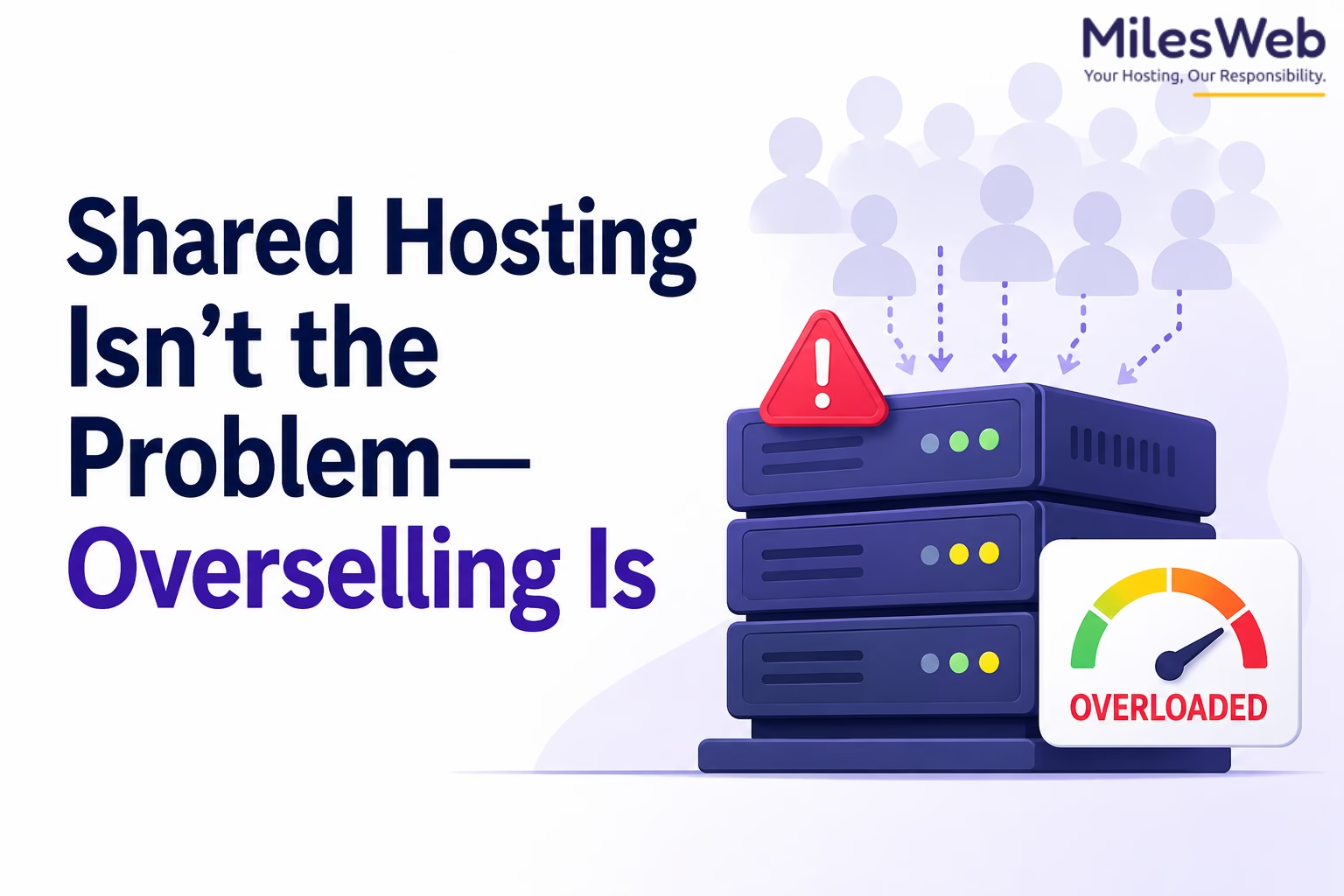
When the shared hosting service operates according to expectations, it can be a reliable and affordable hosting solution for millions of websites. However, the real problem is the overselling of shared hosting services.
How Shared Hosting Is Designed to Work
Shared hosting allows multiple websites to run on the same server, and they all share CPU, memory, disk space, and bandwidth.
This web hosting solution is not intended for running websites with excess traffic or applications with critical resource usage. Rather, shared hosting is for blogs, small businesses, websites that display portfolios, and informational websites. In simple words, it is best for websites with minimal resource usage and low traffic.
When the shared hosting service is used ideally, resources are utilized as per allocation for each website, traffic surges are managed, and no website dominates the server. When all these elements are maintained, shared hosting can be consistent and reliable.
What Is Overselling in Shared Hosting?
Overselling occurs when a web host causes financial benefit from placing significantly more domains (or websites) on a web server than that server's full capacity.
Theoretically, this system could work, since very few websites actually utilize all the resources provided to them all of the time (some use almost none most of the time). Thus, all other hosting companies, including oversellers, use this fact to place more domains on each server.
However, the problem occurs when multiple websites utilize resources at the same time.
One website may be running a resource-intensive script, another receives an influx of visitors, and another is attempting to send an email. All of a sudden, the server becomes overloaded — and all websites on that server suffer for it, including ones that haven't even used their allocated resources.
This is not a flaw with the shared hosting system; it is purely a business decision by the hosting supplier.
Why Does Overselling Feel Random to Users?
From an outside perspective, overselling appears to provide erratic and variable results.
"One day your website runs perfectly. The next day it crashes for no reason — and support tells you everything is fine. That's not a bug. That's overselling."
— warisweb.comThis randomness creates distrust; website owners blame issues on their CMS, their plugins, or even their content when, in reality, resource contention is occurring behind the scenes. Because overselling is not publicized, customers do not usually connect the problems they experience with the web host's use of this business strategy.
How Responsible Shared Hosting Actually Works
Reliable shared hosting solutions (just like what MilesWeb offers) have predetermined rules regarding resource utilization. This allows for effective account isolation, so if one user were to overload the system, it would not cause an outage to other users.
Providers like MilesWeb also monitor the server for loading signs. Once the server becomes too crowded or nears capacity, all websites will be moved to another server in their data center.
Responsible providers spend more money to keep things running smoothly — which is why a reliable hosting plan usually costs a bit more than the cheapest options. You are purchasing responsible shared hosting for its level of restriction rather than raw usage on servers.
Why "Unlimited" Plans Are a Red Flag
The term "unlimited" is a huge indicator of overselling in today's shared hosting market. An example of this is unlimited resources such as storage, bandwidth, and website accounts all on one server.
The majority of users who sign up for "unlimited" service plans are beginners, and they usually get frustrated once their website reaches any significant level of growth. Limitations are not bad at all — it is the hidden limitations that make the difference.
When Is Shared Hosting the Right Choice?
Shared web hosting might still be a viable option, and understanding shared environments helps you use it correctly rather than blame it unfairly.
When to use shared hosting:
- Your website is not experiencing high levels of traffic (low or moderate).
- You can accurately predict how much you will be using the server.
- Your website is built with a standard content management system (CMS) or is a static website.
Use shared hosting as a way to save money — but understand the difference between cheap shared hosting (overselling) and a reliable shared solution. That knowledge alone will prevent you from unnecessarily migrating and spending additional money.
Choosing Reliable Shared Hosting
Instead of just considering price, look for hosting providers that do not oversell or that promote themselves with honesty and transparency.
Inquire about how accounts are kept separate, whether the resources allocated to each account are fairly enforced, and what happens to your website if usage exceeds the allocated servers.
When you read other customers' reviews, look for comments that refer to "inconsistent speed" or "random downtime" — these normally indicate overselling. Paying a slightly higher monthly rate will likely result in a lower number of accounts per server and, therefore, better service.
Insights Recap
Shared hosting always works, until it's overstretched. Some hosting companies sell more than they can handle, which makes your website slow and unreliable. This leaves you paying for bad service without ever knowing why your website is actually struggling.
When a reliable company provides shared hosting in a reasonable manner, it can help people start their own website or get noticed online without wasting their money. So, when you pick a hosting plan, make sure you compare what they actually offer — and don't get tricked by companies selling more than they can handle.
Frequently Asked Questions
Everything you wanted to know about shared hosting and overselling.


Disclosure: This article is published in collaboration with a hosting industry partner and may contain promotional references.